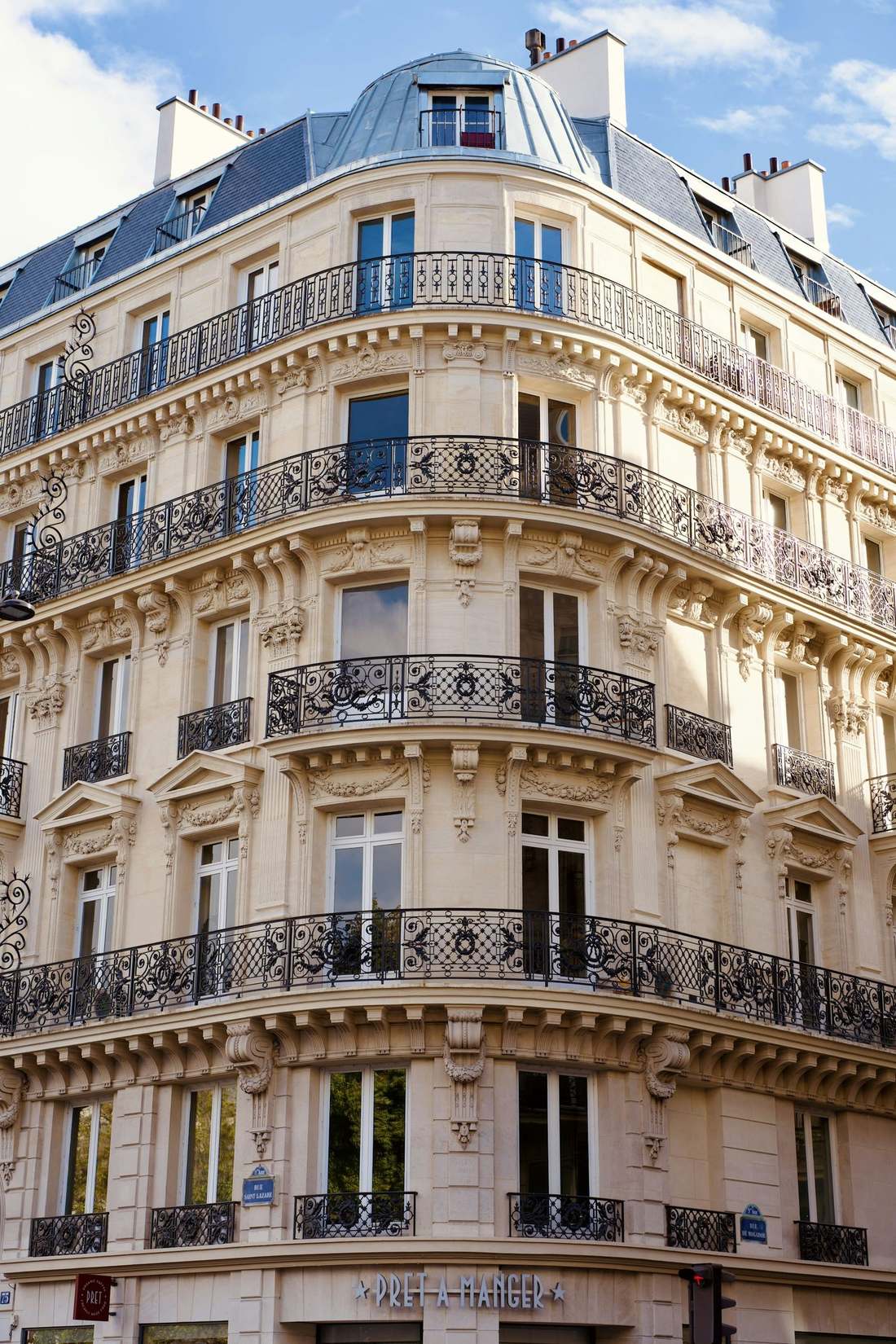
The changing urban landscape of Paris is marked by the emergence of micro-districts: areas concentrating economic activity, innovation and culture, which are redefining the capital’s property and commercial dynamics. Among them, the Silicon Sentier and the area around the Canal Saint-Martin stand out as exemplary case studies.
01The Sentier: from the textile industry to the digital economy
Once the heart of the Parisian textile industry, the Sentier gradually became an epicentre of technological innovation, with a massive influx of start-ups in the 2000s. This evolution was facilitated by the roll-out of modern telecommunications infrastructure and by the appeal of the premises left vacant by the decline of the textile trade. Start-ups such as Happn and Leboncoin began there, and the proximity of partners, service providers and investment funds made it a true epicentre of French innovation.
This momentum has had a notable impact on the property market of the 2nd arrondissement: increased demand for flexible, modular office space, the rise of coworking and shared offices, and demand for housing from young professionals wishing to live close to their workplace. This pressure has contributed to rising prices, both for purchases and rentals, and has strengthened the district’s appeal to investors, drawn by a rental market fuelled by the continued expansion of the tech ecosystem.
02The Canal Saint-Martin: the cultural metamorphosis of the 10th
The 10th arrondissement, with the Canal Saint-Martin as its emblem, has become a dynamic place to live, particularly appreciated for its artistic atmosphere. The gentrification of the area has seen the arrival of art galleries, independent shops and cafés, attracting a young and creative population.
The property market reflects this vibrancy: a majority of main residences dating from before 1919, fewer than 10% of buildings built after 1990, a young population and high density. Prices have risen significantly in recent years, although most residents are tenants. The canal’s popularity with tourists has also encouraged the development of local accommodation, from boutique hotels to short-term rentals, which supports the local economy but raises the question of the balance with neighbourhood life.
03What these micro-districts teach us
These transformations illustrate the dynamics of the Paris market, between innovation and tradition. The Sentier highlights the importance of technological infrastructure as a driver of property renewal; the Canal Saint-Martin is a reminder of the importance of preserving heritage while embracing change. These surges in popularity also raise questions of affordability and gentrification: rising prices put pressure on residents and traditional businesses.
For property players, investors and developers alike, the key lies in the ability to recognise this duality and to put forward projects that respect the spirit of each district while meeting contemporary needs.
A question, a project?
Get in touch