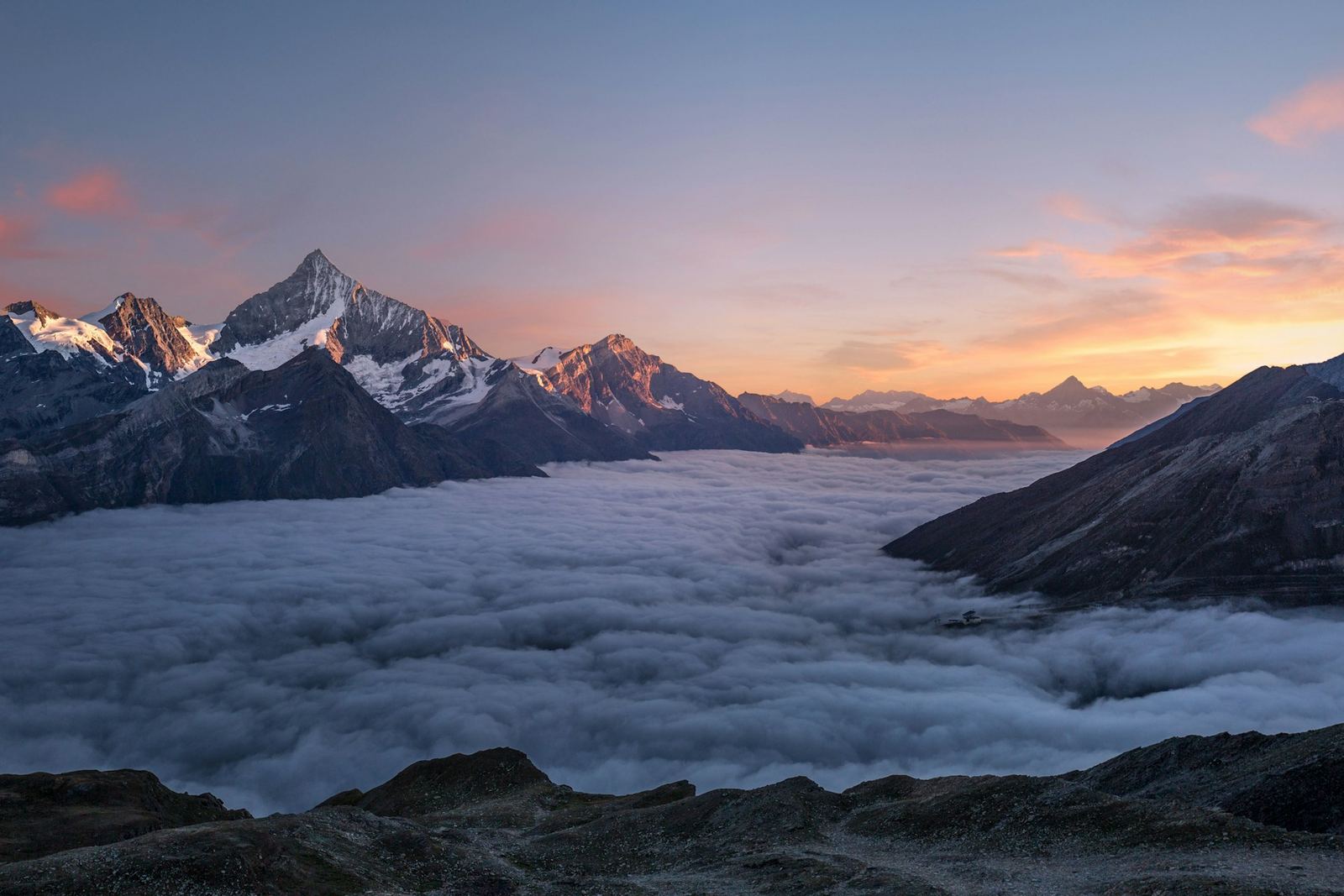
In March 2025, the municipality of Chamonix-Mont-Blanc reached a major milestone by adopting a new local zoning plan (PLU). This reform, made possible by the Le Meur Act (November 2024), aims to prohibit the construction of new second homes across almost all of its territory. The objective: to combat land speculation, respond to the local housing crisis and encourage sustainable urban planning in a mountain environment.
01A structural response to pressure on housing
With more than 70% of its housing stock made up of second homes, Chamonix suffers from a critical shortage of housing for its 9,000 permanent residents. In response to this pressure, the municipality plans to create or convert 1,000 homes for permanent occupation by 2035. This regulatory shift marks a break with the trend of turning housing into tourist assets.
02The key provisions of the new PLU
A halt to second homes
The PLU now prohibits the construction of second homes in 87.5% of the zones open to development. This land regulation measure aims to preserve available land for main-residence housing projects.
Controls on tourism and hotel projects
New large-scale tourist establishments are prohibited. Only existing hotels are allowed to expand, and only on condition that they house seasonal workers. Since 1 May 2025, a change-of-use scheme has been in place: any home let as furnished tourist accommodation must first be registered with and authorised by the town hall, and each owner may hold only one property for tourist use.
03A balanced model
The PLU requires a 50% social mix in new development zones, and 25% for projects of more than 200 m², in order to make housing more accessible to working people, young households and municipal employees. In accordance with the Climate and Resilience Act, 90 hectares of development zones have been reclassified as agricultural land and 50 hectares as protected natural areas.
04A strong signal for investors
This new framework has a direct impact on the strategies of institutional investors, family offices, banks, wealth advisers and real estate law professionals. The growing scarcity of second-home opportunities calls for a reshaping of portfolios, with a shift towards projects with a positive social and environmental impact.
At the same time, since 2023, a 50% surcharge on the council tax on second homes has funded a municipal land fund (€2.5 to €3 million a year) intended to help public servants access housing.
05A new model for mountain urban planning
Chamonix’s 2025 PLU marks a strategic break in the property governance of resorts. By limiting second homes and encouraging a social mix, the municipality aims to preserve its local identity and meet the requirements of sustainable development. For property professionals, projects with high social and environmental use value will become essential levers in an Alpine market undergoing profound change.
The objective: to combat land speculation, respond to the local housing crisis and encourage sustainable urban planning in a mountain environment.
A question, a project?
Get in touch